
Author: admin
Club of Amsterdam Journal, May 2013, Issue 157
Content The Future of Europe Next Event: the future of Europe NASA | SDO: Three Years of Sun in Three MinutesClub of Amsterdam blogNews about the Future Rural-Urban Dynamics and the Millennium Development GoalsRecommended Book: The End of the West: The Once and Future Europe The Future of Wearable Technology Futurist Portrait: John L. Casti Agenda Club of Amsterdam SearchSubmit your articleContactSubscribe Welcome to the Club of Amsterdam Journal. Join us at our next Season Event about the future of Europe – Thursday, May 30, 18:30 – 21:15! A collaboration with the World Future Society. Felix F Bopp, Founder & Chairman The Future of Europe By Joergen Oerstroem MoellerVisiting Senior Research Fellow, Institute of Southeast Asian Studies, Singapore.Adjunct Professor Singapore Management University & Copenhagen Business School.The model for European integration goes back to the European Coal and Steel Community from 1952. Its principles have not undergone fundamental changes albeit a tremendous development inside the framework of the model – almost to the extent that some observers will question the statement of no changes in principle – has rolled over the scene. Sceptics and outright opponents may not agree, but the scoreboard is fantastic. The shake-up of the European picture after the collapse of the Soviet and Russian Empire in 1991 was met with an adequate response reaching out to the Central- and Eastern European countries. That established the EU as THE peacekeeping force in Europe through application of soft power. Even the negative performance in the former Yugoslavia calling for hard power could not overshadow this accomplishment. Over more than half a century economic integration has delivered an increase in living standards. The European nations have moved towards a close coordination of foreign and security policies even if it falls short of the label of a common policy. Much has been accomplished. Yet the clock shows that the time has come for changes. The EU in one or two decades will likely have met crucial, even existentialist challenges to forge a new kind of European Union combining more pooling of sovereignty with decentralization. The model for Europe is found in the former great European constructions over centuries. They managed to strike the right balance knowing which elements to centralize and which elements to delegate to political decision making closer to the citizens. We talk here about the Habsburg Empire and the Holy Roman Empire both of whom do not rate highly in history textbooks despite managing to keep together for a long time, delivering peace and stability to citizens, rejecting uniformity and harmonization while acknowledging many ethnicities, religions, and languages inside the system. Currently the eurozone undergoes a socio-economic experiment the outcome of which will determine its future and Europe’s place in the world. In good times welfare expenditure was allowed to grow even if forecasts showed incompatibility with the financial strength. It brought to Europe a political endorsement of a high degree of social and income equality The global economic recession revealed that revenues cannot any longer finance the benefits. Privileges allow too many people to work too little earning too much. Too many depend on the state/government. Demographics turn against the welfare model with a higher share of population above 65 years. The Europeans have launched a social-economic enterprise around three pillars. Trimming the expenditure level and maintaining the model’s core. Restructuring the economic model – higher mobility & easier access to trim the workforce. Bringing unit labour costs of South European countries into line with their competitiveness vis-à-vis Northern European countries and discarding privileges. The reform process is still incomplete and in some cases half-hearted, but once started it rolls on. If the Europeans succeed they will have managed to combine a welfare society albeit offering a lower welfare level than hitherto with more flexible economic structures accepting mobility – geographically and socially – a competitive economy. New label: The Competitive Welfare State. The price to pay will be a multi layered EU where some member states constitute the core while others have a more loose connection accepting the inevitable consequence of less influence on decisions and future integration. This is not a la carte; there will also be a core of common policies where all member states are ‘in’. If this is done adroitly finding a palatable way for both the core and the periphery it may keep Britain in the EU; if not, Britain will leave. The world has grown used to nation-states irrespective that the idea of a nation-state and its accompanying political system was born not more than about 250 years ago – mostly during the Napoleonic Wars. Most of Europe’s nation-states are artificial creations with the cultural majority forcing the minorities to accept its culture, behaviour, norms, and language. That will come to an end. The regions accepted it in the era of industrialization because it was the door to participation in the international division of labour to reap the benefit flowing there from. The emergence of the EU moved the key to be a global player to Brussels from national capitals. The regions like Scotland, Catalonia, Lombardy and maybe Bayern, Bretagne and several others will loosen their links to the nation-state and hollow out its sway over policy making; the nation-state will wither away. This is already seen for the Federal Republic of Germany where many EU decisions require the acceptance of the Länder. The existing political structure does not allow this and therefore Europe will be pushed into the box of thinking about adapting to new circumstances. The two examples from history mentioned above serves as pointers to the principles that may be met and may give some inspiration. At the end of the day what we will see, is a European Union with enhanced powers in economic/industrial matters, foreign-and security policy plus a whole string of internal security matters (immigration, crime etc) while other issues like education (not R&D), environment etc will be left more and more – not to nation-states – but to the regions. The main challenge, obstacle, or opportunity if that word is preferable is to find the Holy Grail, which is arousing a new the enthusiasm among European citizens for the project that incontestably has brought Europe so many benefits for so low a price. The political machinery now in place is incapable of doing that and yet without a solution the European project may run into stormy waters. It is easy to diagnose the problem, but difficult to offer actions. It has to be found playing the old master card ‘all politics are local’. The political system, in this case the EU, must relate to people’s daily life – make sure that people connect to the EU. The first step is to find solutions to the economic crisis, ensure that people see these solutions as results of EU policies, and on that basis take on other problems high on the agenda of the European citizens. When that is underway the time has come to find a better way – possibly through information & communication technology to shape a new political system. Mr Grillo – Italian comedian and political activist – ridiculed by many, has brilliantly shown one of the ways to do it, rallying the citizens, offering them a real say, and discarding the old fashioned way not working anymore. The lesson from the last decade is that the European citizens feel they have grown up and deserve a genuine influence on decision making not exposed to hollow statements from old fashioned politicians. Europe’s chance is to intercept and endorse this reaction growing out of the economic crisis, mobilizing the citizens to demand a system that works and with their support. Joergen Oerstroem Moeller is author of ‘European Integration: Sharing of Experiences‘. Next Event: the future of Europe the future of Europe Thursday, May 30, 2013Location: DoubleTree Hilton Hotel, Amsterdam Centraal Station, Oosterdoksstraat 4, 1011 DK AmsterdamThe conference language is English. This event is in collaboration with the World Future Society.The supporters are India House Foundation & Heineken. “I believe a United States of Europe is the right vision to surmount the current crisis, but above all to overcome the failings of the Maastricht Treaty” – Viviane Reding, Vice-President of the European Commission, responsible for Justice, Fundamental Rights and Citizenship “Without Turkey we can forget our ambition to be a global player in the future.” – Günter Verheugen, former Commission Vice-President and enlargement commissioner. The speakers and topics areStephen Aguilar-Millan, Director of Research, The European Futures Observatory, Director, The Greenways PartnershipWhich Europe? Fernando Lanzer Pereira de Souza, Consultant, itim InternationalThe future of Europe is not rational!Wim J. de Ridder, Professor Futures Studies, University Twente, Founder & Director, Futures Studies Management Consultancy – FSM bvThe future creates opportunities for a leading role for Europe Ali Tunga, Chairman, Atayol Group, TurkeyEurope, Turkey, and the 21st century Our moderator is Annegien Blokpoel, CEO, PerspeXo NASA | SDO: Three Years of Sun in Three Minutes In the three years since it first provided images of the sun in the spring of 2010, NASA’s Solar Dynamics Observatory (SDO) has had virtually unbroken coverage of the sun’s rise toward solar maximum, the peak of solar activity in its regular 11-year cycle. This video shows those three years of the sun at a pace of two images per day. SDO’s Atmospheric Imaging Assembly (AIA) captures a shot of the sun every 12 seconds in 10 different wavelengths. The images shown here are based on a wavelength of 171 Angstroms, which is in the extreme ultraviolet range and shows solar material at around 600,000 Kelvin. In this wavelength it is easy to see the sun’s 25-day rotation as well as how solar activity has increased over three years. During the course of the video, the sun subtly increases and decreases in apparent size. This is because the distance between the SDO spacecraft and the sun varies over time. The image is, however, remarkably consistent and stable despite the fact that SDO orbits the Earth at 6,876 miles per hour and the Earth orbits the sun at 67,062 miles per hour. Such stability is crucial for scientists, who use SDO to learn more about our closest star. These images have regularly caught solar flares and coronal mass ejections in the act, types of space weather that can send radiation and solar material toward Earth and interfere with satellites in space. SDO’s glimpses into the violent dance on the sun help scientists understand what causes these giant explosions — with the hopes of some day improving our ability to predict this space weather. There are several noteworthy events that appear briefly in this video. They include the two partial eclipses of the sun by the moon, two roll maneuvers, the largest flare of this solar cycle, comet Lovejoy, and the transit of Venus. The specific time for each event is listed below, but a sharp-eyed observer may see some while the video is playing.00:30;24 Partial eclipse by the moon 00:31;16 Roll maneuver 01:11;02 August 9, 2011 X6.9 Flare, currently the largest of this solar cycle 01:28;07 Comet Lovejoy, December 15, 2011 01:42;29 Roll Maneuver 01:51;07 Transit of Venus, June 5, 2012 02:28;13 Partial eclipse by the moon Club of Amsterdam blog Club of Amsterdam bloghttp://clubofamsterdam.blogspot.com Oh, The Humanities! Why STEM Shouldn’t Take Precedence Over the ArtsThe EggJoy Rides and Robots are the Future of Space TravelThe Transposon10-step program for a sick planetPublic Brainstorm: Economic-Demographic CrisisPublic Brainstorm: EnergyPublic Brainstorm: EnvironmentPublic Brainstorm:Food and WaterPublic Brainstorm: Overpopulation News about the Future The power of 2000 suns Together with IBM Research, the Interstate University of Applied Sciences Buchs and the supplier of solar power technology, Airlight Energy, scientists of ETH Zurich are developing a new photovoltaic system. The so-called “High Concentration Photovoltaic Thermal” (HCPVT) system will deliver electricity, fresh water and cool air in remote locations and shall be capable of concentrating, on average, to the power of 2000 suns, with an efficiency that can collect 80 percent of the incoming radiation and convert it to useful energy. The scientists plan to use a large parabolic dish, comprised of a multitude of mirror facets, to focus the sunrays onto a triple-junction photovoltaic cell mounted on a microchannel cooled module. The system should be able to directly convert more than 30 percent of collected solar radiation into electricity and further allow for the efficient recovery of waste heat above 50 percent. Environmental Ship Index – ESI The world’s key ports have committed themselves to reduce greenhouse gas emissions (GHG) while continuing their role as transportation and economic centres. This commitment is called the World Port Climate Initiative (WPCI). They do this through influencing the sustainability of supply chains, taking into account local circumstances and varying port management structures. They also cooperate with ships in support of measures to reduce emissions to air from ships. One of the projects within WPCI is the development of an Environmental Ship Index (ESI). The Environmental Ship Index (ESI) identifies seagoing ships that perform better in reducing air emissions than required by the current emission standards of the International Maritime Organization, the Environmental Ship Index. The ESI evaluates the amount of nitrogen oxide (NOX), sulphur oxide (SOX) that is released by a ship and includes a reporting scheme on the greenhouse gas emission of the ship. The ESI is a good indication of the environmental performance of ocean going vessels and will assist in identifying cleaner ships in a general way. Rural-Urban Dynamics and the Millennium Development Goals Global Monitoring Report 2013: Rural-Urban Dynamics and the Millennium Development Goals provides an in-depth analysis on urbanization as a force for poverty reduction and progress towards the MDGs in the developing world. With less than 1,000 days to go before the MDGs expire, the report highlights the need to accelerate efforts to improve the lives of the poor in both rural and urban areas. Special Focus: Rural-Urban DynamicsUrbanization matters. In the past two decades, developing countries have urbanized on a massive scale and this trend will continue in the future, with 96 percent of the developing world’s additional 1.4 billion people, by 2030, expected to live in urban areas. Urbanization has helped speed progress towards the MDGs, including the reduction of poverty. However, urbanization is a not a cure-all. If unregulated and poorly planned, it leads to growth of slums, and increase in pollution and crime. GMR 2013 also highlights that poverty is located along a continuous rural-urban spectrum, with the vast majority of the world’s 1.2 billion poor living in rural areas with less favorable access to basic amenities than people living in urban centers. The report, thus, calls for complementary rural-urban development policies and actions by governments to facilitate a healthy move toward cities without short-changing rural areas. What Works Creating communities of slum dwellers in UgandaIn the slum dweller communities of Uganda — where over 60 percent of the urban population lives – the purported benefits of urban agglomeration are not being felt. Despite rapid urbanization, urban areas are characterized by rising unemployment and inadequate access to basic services. Rather than waiting passively for the benefits of urban agglomeration, Uganda’s slum dwellers have adopted a proactive strategy that is harnessing the potential of collective action. A sanitation unit is constructed in Kinawataka, a suburb in Kampala The strategy is one that has evolved within the Slum Dwellers International (SDI) network. It involves the clustering — or federating — of community saving groups into urban poor federations. The National Slum Dwellers Federation of Uganda (NSDFU) is one of 33 federations in the SDI network. Founded in 2002, the NSDFU today comprises almost 500 savings groups and approximately 38,000 members. Savings are used to bring people together, build their capacity to act collectively, and build organizational capacity and trust. […] by Skye Dobson, Uganda Program Officer, Slum Dwellers International Informality as the root of urban vulnerability As cities grow, the poor and the disaster-stricken are induced to move from their villages, but the shortage of legal and affordable housing in cities pushes them into squatter settlements with no basic services. While India may be urbanizing more slowly than other emerging economies, in absolute numbers there are 377 million people in its cities. Of these, 93 million are slum dwellers, according to the 2011 Census of India report on Rural Urban Distribution of Population. Surface drains, implemented as part of a waste water treatment system project, create a safer, cleaner environment Slums in India are usually squatter settlements on public lands, and slum dwellers’ livelihoods are mostly informal, and therein lies the root of urban vulnerability. Slum dwellers occupy public lands along drains, ditches, railway tracks, roads, riverbeds, etc. that are affordable and close to work areas. Housing in these settlements is formally procured through an informal land market operative in the respective slums. House owners get documents to prove the sale, and that may be seen as providing protection from eviction or to get state compensation, although these house titles are not legal. Slum dwellers’ houses serve as collateral or investment to be sold in an emergency or given away in dowry. Informal work can be exploitative. In slums, it pits the poor against the police, local bureaucrats, and foot soldiers of local bodies, who have to be bribed regularly. For informal workers, especially women, it is difficult to obtain a formal proof of identity. Proof of identify is often needed to access state subsidies and entitlements (e.g., housing, rations, school books, health care) or to open a bank account and get low-cost credit. […] Slums are usually excluded from networks of underground sewerage because the state fears this will raise a demand from slum dwellers for regularization/formalization of settlements. Legal, technical, and engineering difficulties in providing sanitation infrastructure inside slums are often cited for lower standards adopted for these areas (e.g., open and shallow drains are used instead of covered and closed systems, and community toilets proliferate instead of private toilets). Communal toilets do not have water, are dirty, and cost money to use, so some poor families build small pit latrines at home. Women manually clean these every day and keep the pits covered the rest of the time. Families with more money build toilets but since there is no infrastructure to connect to, they discharge directly onto the street or into city drains, water bodies, or open plots, generating unhygienic conditions for all. Greater tenure security and lower fear of eviction would encourage more households to invest in toilets. In the Savda Ghevra resettlement colony, the Centre for Urban and Regional Excellence (CURE) is enabling households to build personal toilets in small spaces by creating access to common septic tanks, credit, recycled wastewater for flushing and technical knowhow.Surviving slums is a challenge. Greater provision of infrastructure, however, gives people the confidence to upgrade their own houses. A Decentralized Waste Water Treatment System on a city drain, built by CURE in partnership with the people of Agra, has not only triggered development of high-quality housing in one settlement, but has been recognized by the state as an opportunity to connect slums to city networks — a win-win solution. […] by Dr. Renu Khosla, Director, Centre for Urban and Regional Excellence (CURE), India Organized waste picking improves lives and cities Millions of people worldwide make a living collecting, sorting, recycling, and selling valuable materials that someone else has thrown away. Collecting and selling recyclables, in many instances, is one of the few livelihood opportunities open to newcomers (both domestic and foreign) to cities. In many countries, informal waste pickers supply the only form of solid waste collection. This work creates cleaner, healthier urban areas for residents, businesses, and visitors. In addition, waste pickers consistently make a significant economic contribution by saving municipalities money in their management of solid waste. According to the UN Habitat’s Solid Waste Management in the World’s Cities 2010, waste pickers perform between 50-100 percent of ongoing waste collection in most cities in developing countries – at no cost to the municipal budget. Despite their significant contributions, waste pickers often face deplorable living and working conditions and suffer both extreme poverty and very low social status. They are the lowest paid in the recycling chain, face intimidation and exploitation by middlemen, and rather than receiving support from local authorities, are often harassed. A large proportion of catadores in Belo Horizonte, Brazil, earn more than the minimum wage. As detailed in many policy briefs by Women in Informal Employment Globalizing and Organizing (WIEGO), Belo Horizonte’s catadores have engaged in widespread organization and mobilization, beginning with the formation of the first waste pickers’ association, ASMARE, in 1990, followed by many others. By raising their collective voices and forming strategic alliances, the waste pickers successfully negotiated for their inclusion in municipal waste programs. By the mid-1990s, the city’s policy framework established recycling, social inclusion, job creation, and income generation as the four main pillars of solid waste management. Today, municipal support for equipment, facilities, and licensing are provided to waste pickers and their organizations. A large proportion of waste pickers now earn more than the minimum wage (although it should be noted that a gender discrepancy exists, especially at the higher income end, where men significantly out-earn women). Gains have also been made nationally. More than a decade ago, Brazil became the only country to include waste picking in its classification of occupations for official statistical purposes – lending validity to the work. In 2010, Brazil’s National Solid Waste Policy, which ensures the rights of informal recyclers, came into force. […] by Sonia Dias, Waste Sector Specialist, Women in Informal Employment Globalizing and Organizing (WIEGO). Dr. Sonia Dias is a “garbologist” based in Belo Horizonte, Brazil, who specializes in solid waste management. Information and research on this topic are available in WIEGO’s Publication Series. Recommended Book The End of the West: The Once and Future EuropeBy David Marquand Has Europe’s extraordinary postwar recovery limped to an end? It would seem so. The United Kingdom, Belgium, France, Italy, and former Soviet Bloc countries have experienced ethnic or religious disturbances, sometimes violent. Greece, Ireland, and Spain are menaced by financial crises. And the euro is in trouble. In The End of the West, David Marquand, a former member of the British Parliament, argues that Europe’s problems stem from outdated perceptions of global power, and calls for a drastic change in European governance to halt the continent’s slide into irrelevance. Taking a searching look at the continent’s governing institutions, history, and current challenges, Marquand offers a disturbing diagnosis of Europe’s ills to point the way toward a better future. Exploring the baffling contrast between postwar success and current failures, Marquand examines the rebirth of ethnic communities from Catalonia to Flanders, the rise of xenophobic populism, the democratic deficit that stymies EU governance, and the thorny questions of where Europe’s borders end and what it means to be European. Marquand contends that as China, India, and other nations rise, Europe must abandon ancient notions of an enlightened West and a backward East. He calls for Europe’s leaders and citizens to confront the painful issues of ethnicity, integration, and economic cohesion, and to build a democratic and federal structure. The Future of Wearable Technology by Moondial, Sabine Seymour The PBS Arts Online concept is the core of the PBS strategy for strengthening arts awareness, appreciation and education in America. PBS Arts will promote awareness, spur greater interest, and increase understanding of visual, cultural and performing arts.As computing moves from our desktops to our phones, we look into the future to see how technology will become increasingly ingrained in our movements and our active lives. From the Nike Fuelband to Google Glass, consumers are already seeing hints of the future of wearable devices. They have the possibility to make us more knowledgeable about ourselves and our surroundings, and connect us with each other in an uninterrupted, more intimate way. From DIY wearables to high-tech sensors and smart fabrics, the years ahead will show how integrated technology can impact our lives for the better. Featuring:Sandy Pentland, MITSabine Seymour, ParsonsSteven Dean, G51StudioBecky Stern, Adafruit Futurist Portrait: John L. Casti Dr. John L. Casti is a complexity scientist. “One of America’s greatest pioneers of simulation, Casti has spent his career trying to simulate the real world in the virtual one – from games theory to traffic simulation and even insect infestations.” — London Times Professor John L. Casti received his Ph.D. in mathematics under Richard Bellman at the University of Southern California in 1970. He worked at the RAND Corporation in Santa Monica, CA, and served on the faculties of the University of Arizona, NYU and Princeton before becoming one of the first members of the research staff at the International Institute for Applied Systems Analysis (IIASA) in Vienna, Austria. In 1986, he left IIASA to take up a position as a Professor of Operations Research and System Theory at the Technical University of Vienna. He also served as a member of the External Faculty of the Santa Fe Institute in Santa Fe, New Mexico, USA, from 1992-2002, where he worked extensively on the application of biological metaphors to the mathematical modeling of problems in economics, finance and road-traffic networks, as well as on large-scale computer simulations for the study of such networks. In 2000 he formed two companies in Santa Fe and London, Qforma, Inc. and SimWorld, Ltd, devoted to the employment of tools and concepts from modern system theory for the solution of problems in business and finance. In early 2005 he returned to Vienna where he has co-founded The Kenos Circle, a professional society that aims to make use of complexity science in order to gain a deeper insight into the future than that offered by more conventional statistical tools. Professor Casti has written a numerous articles and seven technical monographs and textbooks on mathematical modeling. In addition, he is the editor of the journals Applied Mathematics & Computation (Elsevier, New York) and Complexity (Wiley, New York). In 1989 his text/reference works Alternate Realities: Mathematical Models of Nature and Man (Wiley, 1989) was awarded a prize by the Association of American Publishers in a competition among all scholarly books published in mathematics and the natural sciences. In 1992, he also published Reality Rules (Wiley, New York), a two-volume text on mathematical modeling. In addition to these technical volumes, he has written several popular books on science: Paradigms Lost: Images of Man in the Mirror of Science (Morrow, 1989), which addresses several of the most puzzling controversies in modern science, Searching for Certainty: What Scientists Can Know About the Future (Morrow, 1991), a volume dealing with problems of scientific prediction and explanation of everyday events like the weather, stock market price movements and the outbreak of warfare, and Complexification (HarperCollins, 1994), a study of complex systems and the manner in which they give rise to counterintuitive, surprising behavior. He has also written two popular volumes on mathematics: Five Golden Rules: Great Theories of 20th-Century Mathematics—and Why They Matter, and its sequel, Five More Golden Rules (1995, 2000) both published by John Wiley & Sons (New York). His next work of popular science was Would-Be Worlds, a volume on computer simulation and the way it promises to change the way we do science. It was also published by John Wiley & Sons (New York) in 1996. In 1998 he published a volume of “scientific fiction”, involving Ludwig Wittgenstein, Alan Turing, J.B.S. Haldane, C.P. Snow and Erwin Schrödinger in a dinner-party conversation on the question of the uniqueness of human cognition and the possibility of thinking machines. This book was published under the title The Cambridge Quintet by Little, Brown (UK) in December 1997 and by Addison-Wesley in the US in early 1998. More recently, his published books include Art & Complexity (Elsevier, Amsterdam, 2005), a volume edited with A. Karlqvist, as well as a short volume on the life of the Austrian logician, Kurt Gödel, the book Gödel: A Life of Logic (Perseus Books, Cambridge, MA, 2003). In the same year he published the volume, The One, True, Platonic Heaven (Joseph Henry Press, Washington, DC, 2003), which addresses in a fictional format the question of the limits to scientific knowledge. The volume on art and complexity sparked off a continuing interest in the interrelationship between complex systems and artistic forms of all types, which is reflected in a set of papers currently in preparation addressing the complexity of scientific theories regarded as artistic forms. His primary current research interests have also shifted somewhat to the exploration of questions in the social and behavioral realm and the relationship between social “moods” and their consequent social actions and behaviors. In this direction, his latest book, Mood Matter: From Rising Skirt Lengths to the Collapse of World Powers, published in 2010 by Copernicus Books, NY, addresses the directions and patterns of social causation and their implications for future trends and collective social events, such as styles in popular culture, the outcome of political processes, and even the rise and fall of civilizations. X-Events: Complexity Overload and the Collapse of Everything“In his highly provocative and grippingly readable book, X-Events, author John Casti brilliantly argues that today’s advanced, overly complex societies have grown highly vulnerable to extreme events that will ultimately topple civilization like a house of cards. Like Nassim Taleb’s The Black Swan meets Jared Diamond’s Collapse, Casti’s book provides a much-needed wake-up call — sounding a fascinating and frightening warning about civilized society’s inability to recover from a global catastrophe — demonstrating how humankind could be blasted back into the Stone Age by a meteor strike, nuclear apocalypse, worldwide contagion, or any number of unforeseeable X-Events.” Currently, Dr. Casti is a Research Scholar at the International Institute for Applied Systems Analysis in Laxenburg, Austria, where he heads an initiative for the study on Extreme Events in Human Society and Director of The Kenos Circle, a Vienna-based society of fellows devoted to exploration of the future. How the World Works Agenda Season Events 2012/2013 May 30, 2013the future of EuropeLocation: DoubleTree Hilton Hotel, Amsterdam Centraal Station, Oosterdoksstraat 4, 1011 DK AmsterdamIn collaboration with the World Future Society Supported by India House Foundation & Heineken the future of Urban GardeningJune 27, 2013, 18:30 – 21:15Location: Geelvinck Museum, Keizersgracht 633, 1017 DS AmsterdamSupported by Geelvinck Museum
Club of Amsterdam Journal, June 2013, Issue 158
Content Practicing Commons in Community Gardens: Urban Gardening as a Corrective for Homo Economicus Next Event: the future of Urban Gardening Insight on ConflictClub of Amsterdam blogNews about the Future The EU: the third great European cultural contribution to the worldRecommended Book: The Urban Homestead: Your Guide to Self-Sufficient Living in the Heart of the City Agricultural Urbanism Lab Futurist Portrait: Stuart Candy Agenda Club of Amsterdam SearchSubmit your articleContactSubscribe Welcome to the Club of Amsterdam Journal. Urban Gardening, Urban Farming or Urban Agriculture is the practice of cultivating, processing, and distributing food in or around a village, town, or city. Urban agriculture can also involve animal husbandry, aquaculture, agroforestry, and horticulture. These activities also occur in peri-urban areas as well. Join us at our next Season Event about the future of Urban Gardening – Thursday, June 27, 18:30 – 21:15!A collaboration with the Museum Geelvinck. Felix F Bopp, Founder & Chairman Practicing Commons in Community Gardens: Urban Gardening as a Corrective for Homo Economicus By Christa Müller, sociologist and author. An essay in the book The Wealth of the Commons: A World Beyond Market and State by David Bollier (Editor), Silke Helfrich (Editor) “In these times of ever more blatant marketing of public space, the aspiration to plant potatoes precisely there – and without restricting entry – is nothing less than revolutionary,” writes Sabine Rohlf in her book review of Urban Gardening. (1) Indeed, we can observe the return of gardens to the city everywhere and see it as an expression of a changing relationship between the public and the private. And it is not only this dominant differentiation in modern society that is increasingly becoming blurred; the differences between nature and society as well as that between city and countryside are fading as well, at least from the perspective of urban community gardeners. In the 1960s, as the economy boomed, people in West Germany had given up their urban vegetable gardens, not least for reasons of social status; many wished to demonstrate, for example, that they could purchase food and no longer had to grow and preserve it themselves. Today, in contrast, the “Generation Garden” has planted its feet firmly in vegetable patches in the midst of hip urban neighborhoods, the “young farmers of Berlin-Kreuzberg” are creating a furor, the German Federal Cultural Foundation stages the festival “Über Lebenskunst” (a pun meaning both “On the art of living” and – spelled Überlebenskunst – “The art of survival”) and people need not be ashamed of showing their fingernails, black from gardening, in public. What we observe here is a shift in the symbolism and status of post-materialistic values and lifestyles. Do-it-yourself and grow-it-yourself also means finding one’s own expression in the products of one’s labor. It means setting oneself apart from a life of consuming objects of industrial production. Seeking individual expression is also a quest for new forms and places of community. If the heated general stores and craftsmen’s workshops were the places where Germany’s social life unfolded in the postwar years, today’s urban community gardens and open workshops seem to be developing into hothouses of social solidarity for a post-fossil-fuel urban society. In recent years, people of the most varied milieus have been joining forces and planting organic gardens in major European cities. They keep bees, reproduce seeds, make natural cosmetics, use plants to dye fabrics, organize open-air meals, and take over and manage public parks. With hands-on neighborhood support, urban gardening activists are planting flowers as they like at the bases of trees and transforming derelict land and garbage-strewn parking decks into places where people can meet and engage in common activities. The new gardening movement is young, colorful and socially heterogeneous. In Berlin, “indigenous” city dwellers work side-by-side with long-time Turkish residents to grow vegetables in neighborhood gardens and community gardens; pick-your-own gardens and farmers’ gardens are forming networks with one another. The intercultural gardening movement is continuing to expand in striking ways, as seen on the online platform Mundraub.org, which uses Web 2.0 technology to tag the locations of fruit trees whose apples and other fruits can be picked for free (Müller 2011). Such novel blending of digital and analog worlds is creating new intermediate worlds that combine open source practices with subsistence-oriented practices of everyday life. (2) Urban gardens as knowledge commons Open source is the central guiding principle in all community gardens; the participation and involvement of the neighborhood are essential principles. The gardens are used and managed as commons even if the gardeners do not personally own the land. By encouraging people to participate, urban gardens gather and combine a large amount of knowledge in productive ways. Since there are usually no agricultural professionals among the gardeners, everyone depends on whatever knowledge is available – and everyone is open to learning. They follow the maxim that everybody benefits from sharing knowledge; after all, they can learn from each other, relearn skills they had lost and contribute to bringing about something new. Communal gardening confronts the limited means of urban farmers – whether in soil, materials, tools or access to knowledge – and transforms them into an economic system of plenty through collective ingenuity, giving and reciprocity. (3) In urban gardens, both opportunities and the necessity for exchange arise time and again. A vibrant atmosphere emerges where the most varied talents meet. In workshops, for example, people can learn to build their own freight bicycles, window farming (4) or greening roofs; they can learn to grow plants on balconies and the walls of buildings, and use plastic water bottles for constant watering of topsoil. There is always a need for ingenuity and productivity, which often come about only when knowledge is passed along, which in turn releases additional knowledge. Thus, the creative process in a garden never reaches an end. The garden itself is a workshop where things are reinterpreted creatively and placed in new relationships. One thing leads to another. It is not only the inspiring presence of the various plants that provides for a wealth of ideas, but also the ongoing opportunity to engage oneself and be motivated by the objects lying around (Müller 2011). This is how a real community that uses a garden emerges over time. One of the most important ingredients for success is that the place is not predefined or overly restricted by rules. Instead, the atmosphere of untidiness and openness makes it apparent that cooperation and creative ideas are desired and necessary. A new policy for (public) space When the neighborhood people of Berlin-Neukölln tend their gardens on the site of the former Berlin-Tempelhof airport in plant containers they crafted themselves, bringing together people of many different backgrounds and generations and supported by the Allmende-Kontor, a common gardening organization, this is first of all an unusual use of public space. The garden consists of raised beds in the most varied styles on 5,000 square meters. Plants grow in discarded bed frames, baby buggies, old zinc tubs and wooden containers assembled by the gardeners themselves. But more than an unusual public space, the Allmende-Kontor gardens underscore an important political dimension of urban gardening. The commons-oriented practices enable a different perspective on the city. They both require communities and at the same time create communities. People come together here, but not under the banner of major events, advertising or the obligation to consume. Instead, their self-organized, decentralized practices in the public realm implicitly express a shared aspiration of a green city for all. Yet no grand new societal utopia – “the society of the future” – is being promoted. Instead, simple social interactions slowly transform a concrete space in the here and now, building an alternative to the dominant order based on market fundamentalism (Werner 2011). In other words, the policy preference for the small-scale as a rediscovery of one’s immediate environment is by no means based on a narrowed perspective. On the contrary: the focus is precisely on the overuse, colonization and destruction of the global commons, and for this reason, the local commons is managed as a place where one can raise awareness about a new concept of publicness (5) while simultaneously demonstrating that there are indeed alternatives – common usage in place of private property; local quality of life instead of remote-controlled consumption, as it were; and cooperation rather than individual isolation. Managing the “internal commons” The new focus on the commons in urban community gardens is not only a political defense of public space for its use toward the common good. At the same time, it is also a reclaiming of people’s internal consciousness and a rejection of the ascriptions of homo economicus, an image of humanity that reduces us to competition-oriented individuals whose attention is focused solely on their own advantage. (6) This overly simplistic model has been under constructive attack for some time, even in the field of economics. In particular, the social neurosciences have confirmed that people’s willingness to cooperate and need for connectedness are central elements of human nature. For scholars of the humanities, this is surely no new insight, yet it is still good to know that there is substantial scientific evidence showing that the existence of a boundary between mind and body, which is often used to justify hegemonic domination, is artificial, and that the interrelationships between body and mind are highly complex. For example, we know today that social or psychological experiences leave physical traces – even in our genes, as shown by epigenetics. Joachim Bauer considers this insight to be the decisive breakthrough regarding our concepts of humankind (Bauer 2008). This has two consequences for the subject at hand: for one thing, a practice of the commons such as community gardening enables the gardeners to discover their bodies, the experience of having two hands and being able to create things with them. Such sensory experiences are directly connected to one’s grasp of the world. For another, the garden is the ideal place to learn how to cooperate. When designing a system to capture rainwater for the beds, for example, the experience reveals an aspect of being human – namely connectedness – that is just as important as the experience of autonomy (Hüther 2011). In this sense, commons are a practice of life that enable even the highly individualized subjects of the 21st century to turn their attention to one another, and not least to slow down their lives. After all, time, too, is a resource to be conceptualized in the community. Experiencing time means being able to pursue an activity as one sees fit, enjoying a moment or spending it with others. By accelerating time to an extreme degree, digital capitalism has subjected virtually everyone to a regime of efficiency, with the result that people’s sense of time is determined by scarcity and by the stress people subjectively feel to “fill” time with as much utility as possible. Time is “saved,” leisure hours are regarded with suspicion, and the boundaries between work and free time are increasingly blurred. The garden is an antidote that can be used as a refuge by the “exhausted self,” as described by French Sociologist Alain Ehrenberg. The garden slows things down and enables experiences with temporal cycles from a different epoch of human history, agrarian society. Small-scale agriculture, which is being rediscovered in many urban gardens, is cyclical in nature. Every year, the cycle begins anew with the preparation of the soil and with sowing. People who farm are exposed to nature, the climatic conditions, the seasons and the cycles of day and night. For city dwellers whose virtual lives have taught them that everything is always possible at the same time, and above all, that everything can be managed at any time, these dimensions of time are highly fascinating. Gardening enables the insight that we are integrated in life cycles ourselves and that it can have a calming effect to simply “give oneself up” to the situation at hand. In other words, managing the commons creates not only valuable experiences, but also social relationships with far-reaching effects. And, one might add, they are valuable for achieving the transformation of an industrial society based on oil and resource exploitation into a society guided by premises of democratic participation that no longer “lives” on externalizing costs but, to the extent possible, avoids creating them in the first place. Processes of reciprocity and an “economy of symbolic goods,” as Bourdieu puts it, are just as important for highly differentiated modern societies as for premodern ones (Adloff and Mau 2005). Old and new practices of the commons offer inspiring options for action. Urban agriculture: the new trends Agropolis is the title of the planning concept of a group of Munich architects who won the Open Scale competition with a “metropolitan food strategy” in 2009. The concept for an “urban neighborhood of harvesting” places growing one’s own food, the valuation of regional resources and sustainable management of land at the center of urban planning. Harvests are to become a visible part of everyday urban life. If the city implements the model, fruit from the commons and community institutions that exchange, store and process the harvest could create the basis for a productive collaboration on the part of the 20,000 inhabitants of the new neighborhood. The Citizens’ Garden Laskerwiese is a public park managed by the citizens themselves. A group of 35 local residents transformed the previously garbage-strewn, derelict land in Friedrichshain-Kreuzberg, in Berlin, into a park. They concluded a contract with the district authorities, agreeing that the citizens’ association is responsible for services such as tending the trees and the lawns on the site. In return, it can use parcels of land and beds for growing vegetables free of charge. Such new models that help cash-strapped municipalities shoulder their financial burden and expand the opportunities for people to shape public spaces require a lot of time and effort for communication on both sides. The Allmende-Kontor (roughly: Commons Office) is an initiative of the Berlin urban gardening movement that has been tending community gardens on the site of the former airport Berlin-Tempelhof together with local residents since 2011. Raised beds of the most varied styles are being created on 5,000 square meters. The Allmende-Kontor considers itself as a garden for all – and at the same time as a place for storing knowledge, for learning and for consulting and networking Berlin community gardens. The establishment of a pool of gardening tools and a seed bank available for unrestricted use are being planned as well. References Adloff, Frank and Steffen Mau, Eds. 2005. Vom Geben und Nehmen. Zur Soziologie der Reziprozität. Frankfurt/New York. Campus. Bauer, Joachim. 2008. Das Gedächtnis des Körpers. Wie Beziehungen und Lebensstile unsere Gene steuern. München. Piper. Hüther, Gerald. 2011. Was wir sind und was wir sein könnten. Ein neurobiologischer Mutmacher. Frankfurt. Fischer. Müller, Christa, editor. 2011. Urban Gardening. Über die Rückkehr der Gärten in die Stadt. München. oekom. Werner, Karin. 2011. “Eigensinnige Beheimatungen. Gemeinschaftsgärten als Orte des Widerstandes gegen die neoliberale Ordnung.” In: Müller, Christa, ed. a.a.O.: 54-75. 1. Berliner Zeitung, April 5, 2011.2. Mundraub is described in Katharina Frosch’s essay in Part 3.3. For more, read the conversation between Brian Davey, Wolfgang Hoeschele, Roberto Verzola and Silke Helfrich in Part 1.4. Window farming is vertical gardening on a windowsill. Plants are grown in hanging plastic bottles, which also provide greenery for the windows.5. See also Brigitte Kratzwald’s essay on social welfare in light of the commons in Part 1.6. For more detail on this topic, see Friederike Habermann’s essay in Part 1Christa Müller (Germany) is a sociologist and author. For many years she has been committed to research on rural and urban subsistence. She is executive partner of the joint foundation “anstiftung & ertomis” in Munich. Her most recent book (in German) is Urban Gardening: About the Return of Gardens into the City. Next Event: the future of Urban Gardening the future of Urban GardeningThursday, June 27, 2013Location: Museum Geelvinck, Keizersgracht 633, 1017 DS AmsterdamThe conference language is English.This event is in collaboration with the Museum Geelvinck The speakers and topics are Wouter Schik, Landscape architect, ArcadisCreating tomorrows green livable cities Rachelle Eerhart, Project leader, IVN – Institute for Nature education & sustainabilityUrban farming: getting back in touch with our food Vincent Kuypers, director of theSolidGROUNDS, knowledge brokers for green economyParksupermarket Tom Bosschaert, Founder & Director, Except Integrated SustainabilityUrban farming as green engine for urban redevelopment Our moderator is Tarik Yousif, Presenter at the Dutch public broadcaster NTR Insight on Conflict Insight on Conflict provides information on local peacebuilding organisations in areas of conflict. Local peacebuilders already make a real impact in conflict areas. They work to prevent violent conflicts before they start, to reduce the impact of violence, and to bring divided communities together in the aftermath of violence. However, their work is often ignored – either because people aren’t aware of the existence and importance of local peacebuilders in general, or because they simply haven’t had access to information and contacts for local peacebuilders. We hope that Insight on Conflict can help redress the balance by drawing attention to the important work of local peacebuilders. On this site, you’ll be able to find out who the local peacebuilders are, what they do, and how you might get in touch with them. Over half the organisations featured on Insight on Conflict do not have their own website. “Donors are struggling for information such as this. The security situations in these countries mean that international staff postings are one to two years at the most. In the case of Pakistan, we go from crisis to crisis (floods, assassinations, large scale terrorist attacks) and staff are usually caught up in the reactive work that these situations generate. As a result, we struggle with transfer of institutional memory regarding credible local organisations and everyday conflict events (which when analysed make sense of our bigger issues). In donor and civil society circles we also talk increasingly about bringing our efforts together to have a greater impact on the issues we work on. People still struggle though, with making the connections and placing their initiative within the larger context of social sector work taking place. Lastly, although we admit the issues associated, due to lack of information we struggle with the ‘entrenched partners’ phenomenon i.e. we continue to work with local organisations on our radar, rather than branching out and taking calculated risks.” Conflict areas – some examples: Victim of landmines in Colombia. Photo credit: Sgiraldoa ColombiaColombia has experienced an intense intrastate conflict for over half a century. Whilst guerrilla groups have suffered several high-profile setbacks, they are still a powerful force and hostilities are not expected to cease in the near future. Paramilitary demobilisation has been successful in many but not all areas. The armed conflict is fuelled by drug-related violence, organised crime and tensions with neighbouring Ecuador and Venezuela, which have been accused of supporting rebel groups. Relations with Venezuela, in particular, have worsened over recent months. Former President Álvaro Uribe Vélez, who served since 2002 and operated a hard-line stance against the guerrilla forces and consistently maintained one of the highest approval ratings of any Latin American presidency, despite criticisms from human rights groups; has been replaced with Juan Manuel Santos, a former Defence Minister. Given his key role in the Uribe administration, security policy continuity is anticipated. Peacebuilding organisations Conflict ProfileColombia is in the midst of an almost 50-year conflict between the government and several guerrilla groups. The human impact of the conflict has been enormous, with at least 50,000 lives lost to date, and one of the world’s largest populations of internally displaced people – many of whom have disappeared. Photo credit: United Nations Sudan and South SudanThe conflict in Sudan has many faces, the best known are a ‘North-South’ conflict, ‘that problem in Darfur’ or an ‘Arab-African’ conflict. The reality is that Sudan is deeply complex with many isolated but often overlapping conflicts that blur common perceptions. Local realitiesThe fragile Comprehensive Peace Agreement (CPA) which was reached in 2005, in one way or another, affects almost every state in the North and South of Sudan. Beneath that numerous tribal differences that continue to be politicised, and bitter oil related conflicts, exacerbate problems further. Such complexities make it almost impossible for outsiders to fully understand, once again highlighting just how indispensable local peacebuilders are. There are fears that the conflicts in Sudan have the potential to trigger a regional war, drawing in neighbouring countries. Since the referendumAs the question of South Sudan’s (in)dependence is one of the major disputes dividing North and South, a Referendum, conducted in response to the 2005 Naivasha Agreement (Comprehensive Peace Agreement) between the NCP and SPLM, was held on the 9th January 2011 to decide whether South Sudan should remain part of Sudan or become autonomous. A similar referendum was to be held in Abyei to decide whether it joined the North or South, but was postponed due to complications. Significant problems predicted before the Referendum have since surfaced. Darfur has reemerged as conflict region, with a sharp rise in violent clashes being reported. New splinter rebel groups have taken shape and are contesting fresh demands in the South and East. The fate of the oil rich border states are still undecided, with the possibility of renewed violence. Thousands of refugees have fled conflict areas. And logistics over citizenship and the splitting of the national debt have yet to be worked out. These problems threaten to derail the entire process. Yet steps are being taken towards resolving these issues facing the creation of the world’s newest nation. Peace talks over a planned referendum in Darfur are under way, ex-combatant reintegration is taking a foothold and South Sudan’s draft constitution has successfully been completed. It has yet to be seen in how long and with how much difficulty the secession is to be instated. Peacebuilding organisations Conflict ProfileOn 9 July 2011 Sudan split in two creating the world’s newest nation – the Republic of South Sudan. South Sudan’s independence was the final stage of a 6 year peace agreement ending decades of civil war. However, peace is not yet guaranteed. As the South gains statehood, crucial issues such as border demarcation, sharing of debt, and oil revenues and the use of the North’s pipeline remain unresolved. Fighting in South Kordofan, Blue Nile, and Abyei threatens the stability of the peace, and there is ongoing tensions and violence on both sides of the border. Problems are not confined to tensions only along the border. Less dramatic, but arguably more damaging is the serious rise in food and water prices, the lack of medical care and infrastructure, significant IDP flows, and poorly functioning economy of the South. These developments daily endangering lives simply through lack, and encourages reckless and desperate behaviour that can lead to violence. Both countries have significant internal conflicts to deal with. Decades of violence during the North-South civil war followed by a fragile peace agreement mean that legacies of violence remain and numerous localised conflicts continue. Darfur has caught the world’s attention. While the South is facing multiple rebel groups in the border states of Unity, Jonglei, and Upper Nile. Club of Amsterdam blog Club of Amsterdam bloghttp://clubofamsterdam.blogspot.com Oh, The Humanities! Why STEM Shouldn’t Take Precedence Over the ArtsThe EggJoy Rides and Robots are the Future of Space TravelThe Transposon10-step program for a sick planetPublic Brainstorm: Economic-Demographic CrisisPublic Brainstorm: EnergyPublic Brainstorm: EnvironmentPublic Brainstorm:Food and WaterPublic Brainstorm: Overpopulation News about the Future Africa Competitiveness Report 2013 The Africa Competitiveness Report 2013 comes at a time of growing international attention on Africa as an investment destination and increasing talk of an African economic renaissance. It is the fourth report in this series to leverage the knowledge and expertise of the three partnering organizations – the African Development Bank, the World Bank Group and the World Economic Forum – to present a joint policy vision for Africa. Under the theme Connecting Africa’s Markets in a Sustainable Way, this year’s report explores how Africa can connect its markets and communities through increased regional integration as a key to raising competitiveness, diversifying its economic base and creating jobs for its young, fast-urbanizing population. Through a comprehensive analysis of Africa’s most pressing competitiveness challenges, the report discusses the barriers to increased trade, including the state of Africa’s infrastructure and its legal and regulatory environment. It similarly considers how innovative public-private partnerships, often anchored to potential growth poles, can serve as incubators for self-sustaining industrialization, more jobs, greater opportunities and more dynamic regional integration. The report includes detailed competitiveness profiles for 38 African countries, providing a comprehensive summary of the drivers of productivity and competitiveness in countries across the continent. STRAWSCRAPER – an urban power plant STRAWSCRAPER is an extension of Söder Torn on Södermalm in Stockholm with a new energy producing shell covered in straws that can recover wind energy. The straws of the facade consist of a composite material with piezoelectric properties that can turn motion into electrical energy. Piezoelectricity is created when certain crystals’ deformation is transformed into electricity. The technique has advantages when compared to traditional wind turbines since it is quite and does not disturb wildlife. It functions at low wind velocity since only a light breeze is sufficient for the straws to start swaying and generate energy. The existing premise on top of the building is replaced with a public floor with room for a restaurant. The new extension creates, a part from the energy producing shell, room for the citizens with the possibility to reach a lookout platform at the very top of the tower with an unmatched view of Stockholm. The EU: the third great European cultural contribution to the world By Huib Wursten and Fernando Lanzer, itim International You can download the full report: click here The future of the EU and of the Euro are dominating the headlines in all media. The cover of the Economist read: “Staring into the Abyss: a special report on the future of Europe” some time ago. The situation since then has changed very little. The influence of culture has not been part of the analyses one sees in the media. Yet there can be no truly intelligent analysis of the situation unless one takes into account that there are huge differences in terms of the underlying assumptions, expectations and values of the stakeholders involved, in Europe and abroad. The main focus of this paper will be to demonstrate that: Europe is the most diverse cultural continent in the world. The diversity in value dimensions found by empirical research has profound influence on the way people organize themselves in the EU nation states. These values lead to sometimes opposing views on centralization/decentralization, the rule of law, human rights, the separation of powers in a democracy and as a consequence the position of the Central Bank, the definition and role of leadership, the degree of sympathy for social cohesion, the answer to economic crisis: investing or austerity programs, etc. Five of the 6 possible models of organizing a nation state are to be found in the EU. Bridging these differences is a political and intellectual challenge of unique proportions. The way Europe is trying to bridge the value differences between nation states without imposing one model is a laboratory for solving similar challenges for a globalizing world. If the Europeans will be successful this will be a cultural change comparable with two previous European revolutions: the renaissance (the discovery of the individual) and the Enlightment, the period where individuals were empowered to think for themselves and not to accept blindly (religious ) authorities I. Introduction Professor Geert Hofstede is nowadays widely recognized as the one who did the most fundamental research on cultural differences. He carried out fundamental research into the dominant values of countries and the way in which they influence behavior in organizations. Original data were based on an extensive IBM database for which between 1967 and 1973, 116,000 questionnaires were used in 72 countries and in 20 languages. The results were validated against about 40 cross-cultural studies from a variety of disciplines. Analyzing his data, Hofstede found five value clusters (or “dimensions”) being the most fundamental in understanding and explaining the differences in answers to the single questions. He measured the differences and calculated scores for 56 countries on these 5 dimensions. Later research partly done by others have extended this to 85 countries. The combined scores for each country explain variations in behavior of people and organizations. The scores indicate the relative differences between cultures. The five dimensions of national culture identified by Hofstede were: power distance (PDI), individualism/collectivism (IDV), masculinity/femininity (MAS), uncertainty avoidance (UAI) and Long Term Orientation (LTO) See below for a definition and short description of the five dimensions. […] III. The Situation in Europe Is one cluster more effective than others? Because of “culture bias”, every member of a culture tends to think that their culture is better than all others, it’s a natural phenomenon. All international studies suffer from the same malady: they start by defining comparison criteria and fail to realize that their choice of criteria is influenced by the cultural values of the research team. Outside looking in Whenever any analysis of the European situation is made, we need to take into account the cultural background of whoever is making that analysis. We all have our own cultural bias, based on our own background. Whenever Europe is observed by analysts coming from a Contest culture, such as the US and the UK, it is very likely that they will consider the European Union to be hopelessly mired in never-ending, inconclusive discussions. To the Americans and British observers, the European decision-making process will always be perceived as being too slow and not action orientated enough. These observers would like to see European leaders behaving in a more decisive way. Subconsciously, they hope to see a “heroic” type of leader who would cut through the complex discussions and would quickly reach a tangible result. They tend to underestimate the complexity of dealing with five different culture clusters, since they, themselves, deal with a much more homogeneous cultural reality, by comparison. But is the UK looking at Europe from the outside or from the inside? Is the UK not part of Europe? Actually, it depends on who you ask: people everywhere perceive the UK as being part of Europe, except that the people in the UK themselves have a different opinion… One could argue that every country in the EU faces the same dilemma: national independence and autonomy versus European integration and belonging. The dilemma is felt more strongly in the UK than anywhere else, due to the Contest nature of the UK culture. And the UK has the only Contest culture in the EU. The eye of the beholder will always influence the analysis and its conclusions. When Europe matters are observed by Latin Americans and Africans (Pyramid cultures) it is very likely that the analysts will remark that the European Union lacks a strong, charismatic leader wielding enough authority to decide what is better for the greater good of the region. The only way to solve the EU’s problems, according to this perspective, is to give more authority to the European bureaucracy in Brussels and to appoint a European President/Prime Minister/King to run the Community. The title is not important, but having true authority which is respected by all, is essential. From yet another perspective, the Germans see the EU as lacking in order and structure. They criticize the lack of legislation and the discipline to follow established rules. Whenever there are conflicts among European member-states, the Germanic cultures will recommend more structure and more discipline. The Dutch and Scandinavians see the EU as a complex network of relationships among different member-states, who must all be heard and regarded as having equal rights, regardless of the differences in the size of their economies. They will often criticize the lack of conclusion to discussions, but will rebel against any attempt to impose authority from the centre or to disregard the less powerful member-states. The French, Belgians, Italians and Spanish (Solar-System cultures) will be split internally. In theory, they tend to advocate greater authority from the centre; at the same time, that goes against their own interests to maintain autonomy. They will recommend greater central authority as the only way to resolve issues and will engage in fierce lobbying to defend national interests, often appearing to contradict themselves. Finally, the perspective of the only cluster that is not found in Europe, the “Family” cultures. They will look puzzled at Europe. The Chinese for instance will criticize Europeans for lacking respect for authority and for being selfish individuals, rather than sacrificing personal interests for the greater good. Yet, the Chinese are patient, their culture values looking at things from a long-term perspective. To them, what is happening in Europe is just “a hiccup” in a long process of development, which will require another century or so to play itself out. What is most amusing to the Chinese is how people can expect European integration to happen so “quickly”… They would expect it to take at least a century. IV. Europe In 2022 Looking at the future and making forecasts is always a daring endeavour… Most predictions made by economic analysts turn out to be mistaken after just a couple of years. This may very well be because most economists (if not all) fail to incorporate culture factors into their analyses. They usually fail to recognize their own culture bias, and they proceed to analyse and predict economic behaviours in other cultures without taking culture into account. Small wonder that people fail to behave according to such forecasts. If we take in consideration the culture perspective and its influence on political, sociological and economic aspects of our analysis, and then look at what is likely to happen in Europe during the next decade, perhaps our forecasts can be “less inaccurate”. The main challenge for Europe in the next ten years will be to make further progress towards economic and political integration, while simultaneously recognizing different culture identities and managing them. Not a small thing…We are talking about a completely new paradigm. A system that can transcend nation states with different value preferences.Nation: people sharing a certain territory and having a shared national consciousness who in principle accept the authority, legitimacy and power of their political administration (= state) The inherent contradiction about the European Union is that further integration requires relinquishing some forms of local authority, legitimacy and power at the national level to empower a central government of the whole region. This runs contrary to the values of the UK, the “Machine” cultures and by the Dutch and Scandinavians, although these latter, as “Network” cultures, are more willing to accommodate things as long as there remains a sense of equality among all member states and dissenting opinions are heard (but not necessarily acted upon…). The French, Belgians, Italians, Spanish and Polish (“Solar System” cultures) will go along with the idea, but they know very well that discipline requires authority and frequent inspections to be enforced. The aspects of contention will be that they will favour more power to the central government, but will fight to exert each their own influence in it, while avoiding that such a government would, in practice, have authority over their own national government. They will try to include “exemption” and “exception” provisions (supported by the British), but these will face resistance from the Germanic cultures. We can expect that Germany will continue to push for establishing a structure, a set of processes and procedures to which all member-states will abide. Austria and Hungary are both extremely likely to support most German endeavours. However, the Germans will tend to emphasize that it is up to each member-state to enforce the rules, or to have an “automatic mechanism” which kicks in to ensure fiscal discipline is observed. They do not like a process which requires frequent inspections, as this goes against the values of low Power Distance. The Germans (and the other “Machine” cultures) take for granted that people will focus on performance, naturally, and that everyone will do their best to avoid deviations from established plans. They are very likely to be disappointed in relation to these aspects. The Portuguese and Greek (“Pyramid” cultures) will support a strong central government as long as they perceive it to really have authority. Half-baked measures and “compromise” solutions will not gain their respect, so in those cases they will pay lip service to integration but will pursue different agendas at the local level whenever they can get away with it. Long discussions and compromises in Brussels will be perceived as signs of weakness at the centre, giving them implicit endorsement to find their own ways. This will be enhanced in the absence of frequent inspections. The UK, of course, will remain the last bastion of euro-scepticism. They tend to feel comfortable with American ideas. They are comfortable operating under a less regulated environment and maintaining “local” autonomy. The only way Britain might agree to more integration and a stronger European Union government is if they perceive it as leading to better performance and higher yields for Britain. As it stands, there is very little motivation in the UK population to support the EU: the situation in Britain would have to get much worse, so bad that relinquishing authority to Europe would seem like the “lesser evil”. Perhaps, if the first “European Prime Minister” would be a British national with a ten-year mandate, that might make a difference. Overall, the key issue of the political union and the monetary union is subsidiarity. This defining principle in the Maastricht treaty needs rethinking. Only these things should be decided on the higher that cannot be decided on the lower level was and is a sound principle. However, too much pressure has been on giving up autonomy and top down regulating. In the process, the reality of value diversity has been neglected. As a consequence the needed legitimacy of the democratic political system is under pressure. This is dangerous because a lot of people in the EU nation states don’t recognize their reality any more in the decisions taken by the “centre”.To be successful and to maintain the trust of the voters of the nation states, the need to centralize further because of the pressure of the “market” should be weighed carefully. Further steps might be necessary in the technical/ rational reasoning. But this is not purely technical/ rational. This is about bridging fundamentally different values preferences. This never has been done in the world. This is an exciting, giant new step. It is only to be compared with the cultural impact of Renaissance and the Enlightment V. Conclusions Culture is having a defining role in the choices people make also in the political environment. Culture is closely linked to national identity and individual identity. One cannot discuss political and economic systems without considering the impact that culture has on both of those. This is not a matter of development. Also in highly developed, democratic countries one can see these differences.In no way one can say that one economic or political or legislative model is per definition better than others. It is dangerous to import systems fitting one type of culture into other value systems without taking this into account. For European integration to continue making progress, a number of concessions will need to be made, by all parties involved ,to the five different set of expectations and values (culture clusters) existing among the member-states. Trying to impose one set over the other four is likely to result in a stalemate. And yet the EU is a fascinating experience in the social organization of mankind, with far-reaching consequences for the whole world watching on the sidelines. Is it possible to transcend the concept of nationalism? Are we witnessing, in the EU, the birth of a new concept, which will succeed nationalism and predominate over the next 200 years? If we are experiencing a major transition in Europe towards a different form of social organization, we must realize two things, above all else: a) it will be traumatic;b) it will take time Such a transition will not be smooth; conflicts are to be expected. Movements forward will be followed by a couple of backward steps. Yearning for the future will be accompanied by yearning for the past. Millions of people will be involved in discussing the inherent dilemmas of the situation. Such a transition will take decades to develop, whatever the outcomes. Perhaps historians in 2100 will look back at this period as “The European Transition”, from 1990 to 2030… What could we do, as leaders in Europe, to mitigate the risks and minimize the disruption which affects millions? A set of recommendations 1. Angela Merkel once summarized the dilemma by asking “Do we want more Europe or less Europe?”. In considering the response to that question, we need to go beyond the usual use of Rationality which is typically employed by economists and most pundits. We need to look at Emotions and Values, beyond Rationality. This is the first recommendation: look at Values (that is where the essence of Culture resides) and the Emotions involved, in addition to Rational arguments. The people of Europe will not reconcile the basic dilemma based on Rationality alone. The other two aspects (Values and Emotions) are equally important in considering the available options to reconcile the dilemma. 2. Think “outside the box”. If we are creating a new form of social organization, we need to develop new mechanisms and policies touching every aspect of social life. We will not solve 2020 problems using 1930’s politics and economics. New forms of democratic representation may be needed, not just the European Parliament, which is nothing more than an international version of the national parliaments, in themselves out-dated institutions desperately needing replacement. New concepts in economics need to govern economic discussions, such as Behavioral Economics, Sustainable Economics and other emerging schools of economic thinking. New regulations need to be developed to replace the old ones which date from several decades ago. 3. People need to feel that they belong to a community sharing similar values (similar culture, notions of what is “right” and “wrong”). Surely it must be possible to provide that sense of identity and belonging to the next generations without necessarily having to say “you are German, but I am English”. Actually, this feeling of belonging and identity is often provided more strongly by a community much smaller than a nation. People feel “Bavarian” rather than “German” or they feel “Scottish” rather than “British”. The point here is that it should be possible to share the same currency, fiscal policies and broad social policies, as in a true federation, while maintaining relative autonomy and cultural differentiation, probably in a more fractioned sense than in the current 27 nation-states. Perhaps cultural identity must be preserved in 54 sub-national regions, or even more. This needs to be explored with an open mind. The core issue is that culture needs more differentiation while economics and politics need more integration. These things are not mutually exclusive, but they require some creative thinking to co-exist. 4. Transnational and supranational discussions need to be fostered. If we have the Germans discussing amongst themselves whether they want “more Europe or less Europe”, while the Greeks hold the same discussion in parallel only amongst themselves, the whole process tends to foster disintegration. Issues need to be increasingly discussed across national borders and not restricted by them. The EU leaders need to think like EU leaders and not like national leaders, and they need to facilitate European discussions rather than national discussions. 5. Huge transnational education programmes need to be put in place to foster integration in a truly democratic and open way. This should not be propaganda or brain-washing, but rather genuine open discussions and sharing of information, values and emotions. Currently, this open exchange of Rational, Emotional an Ethical aspects is happening informally, with no planning or coordination, through tourism, business interaction and social networks. It should be accompanied by intelligent programmes in mass education using a 21st Century approach. 6. Subsidiarity needs to be on the agenda again. The principle is right: as much as possible should be decided on the lower levels. This needs strong restraint from the bureaucrats in the centre. This needs to be reflected in the choice of “leaders”. Individuals are not always reflecting the values of the culture they are coming from. Still it is strange and bad for the perception of citizens to see that so many visible leaders in the EU and in the Monetary Union are from the high PDI, high UAI countries (see below). Meaning from cultures like Italy, France, Spain, Portugal and Belgium favouring centralization. 7. Next to Federal institutions like the ECB it is necessary to develop more consistent inter-governmental forms of administration. We believe that the culture clusters are defining the countries that are like minded. That would create a system allowing for the necessary social diversity in a unified Europe. Other recommendations need to be developed, discussed and implemented. The huge social transformation in Europe is more than an experiment in a certain continent: it is a major stage in the social development of mankind. Dismantling the European Union will not stop the integration process of our societies all over the world: it will merely delay it for a couple of decades. We should be able to manage the integration process better, beginning in Europe, which is most advanced in these matters, learning from that process and applying the learning in other parts of the world. The only way to do that will be to go beyond the Rational and to look at Culture and its emotional consequences in order to reconcile the dilemmas involved. Short description of the five “Hofstede” dimensions. Power distance is the extent to which less powerful members of a society accept that power is distributed unequally. In large power-distance cultures everybody has his/her rightful place in society, there is respect for old age, and status is important to show power. In small power-distance cultures people try to look younger and powerful people try to look less powerful.It’s the opinion of the author of this article that this dimension creates about 80 percent of the problems in international organizations that are trying to operate with multicultural teams.”People in countries like the US, Canada and the UK score low on the power-distance index and are more likely to accept ideas like empowerment, matrix management and flat organizations. Business schools around the world tend to base their teachings on low power-distance values. Yet, most countries in the world have a high power-distance index. In individualistic cultures people look after themselves and their immediate family only; in collectivist cultures people belong to in-groups who look after them in exchange for loyalty. In individualist cultures, values are in the person, in collectivist cultures, identity is based on the social network to which one belongs. In individualist cultures there is more explicit, verbal communication; in collectivist cultures communication is more implicit. In masculine cultures the dominant values are achievement and success. The dominant values in feminine cultures are caring for others and quality of life. In masculine cultures performance and achievement are important. Status is important to show success. Feminine cultures have a people orientation, small is beautiful and status is not so important. Uncertainty avoidance is the extent to which people feel threatened by uncertainty and ambiguity and try to avoid these situations. In cultures of strong uncertainty avoidance, there is a need for rules and formality to structure life. Competence is a strong value resulting in belief in experts, as opposed to weak uncertainty-avoidance cultures with belief in practitioners. In weak uncertainty-avoidance cultures people tend to be more innovative and entrepreneurial. The last element of culture is the Long Term Orientation which is the extent to which a society exhibits a pragmatic future-orientated perspective rather than a near term point of view. Low scoring countries are usually those under the influence of monotheistic religious systems, such as the Christian, Islamic or Jewish systems. People in these countries believe there is an absolute truth. In high scoring countries, for example those practicing Buddhism, Shintoism or Hinduism, people believe truth depends on time and context. Repeated research is showing that these values and the scores of countries are not, or very slowly, changing over time.– A Danish scholar, M. Søndergaard, found 60 (sometimes small scale) replications of Hofstede’s research. A Meta analyses confirmed the five dimensions and the scores of countries.– A recent replication, showing the same result was carried out by including Hofstede’s questions in the EMS, the European Media & Marketing Survey. Books Culture’s Consequences, International Differences in Work-Related Values (Cross Cultural Research and Methodology) by Geert Hofstede Culture’s Consequences: Comparing Values, Behaviors, Institutions and Organizations Across Nations by Geert Hofstede Masculinity and Femininity: The Taboo Dimension of National Cultures (Cross Cultural Psychology) by Geert Hofstede Recommended Book The Urban Homestead: Your Guide to Self-Sufficient Living in the Heart of the CityBy Kelly Coyne (Author), Erik Knutzen (Author) This celebrated, essential handbook for the urban homesteading movement shows how to grow and preserve your own food, clean your house without toxins, raise chickens, gain energy independence, and more. Step-by-step projects, tips, and anecdotes will help get you started homesteading immediately. The Urban Homestead is also a guidebook to the larger movement and will point you to the best books and internet resources on self-sufficiency topics. Written by city dwellers for city dwellers, this copiously illustrated, two-color instruction book proposes a paradigm shift that will improve our lives, our community, and our planet. By growing our own food and harnessing natural energy, we are planting seeds for the future of our cities. Agricultural Urbanism Lab The Agricultural Urbanism Lab (LUA) was created in 2012 by SOA, an architectural practice, Le Sommer Environnement, a consultancy specialised in environmental engineering in architecture and Le Bureau d’Etudes de Gally, specialised in landscape and plant and agricultural innovation. LUA is a platform for reflection and exchanges aimed at promoting and developing agricultural urbanism, and defines itself as a collaborative structure bringing together its members’ competences and efforts for innovative projects. Regarding the city as a sustainable environment in the fullest sense, the Agricultural Urbanism Laboratory places man at the heart of its reflection. The Agricultural Urbanism Lab is a collective, multi-disciplinary project drawing on comprehensive, wide-ranging analyses. Estimating the limits of compatibility between intensive farming and the urban environment involves a variety of different disciplines: the choice of plant species, growing methods, productivity and quality: agriculture and agronomy health and energy exchanges with the city: environmental engineering the future of an endangered profession and the prospects of dynamizing it in an urban context: sociology and economics and the rural world. the reduction of transport, distribution methods: economics and regional development strategy. the long-term evolution of the concepts of verticality and locality, the aesthetics of the urban environment, traceability in the food industry and taste: philosophy the questions of real estate, the creation of urban and peri-urban areas, the advantages of a mixed urban environment and the image of industry within it: urbanism and demography. The implantation of farms in urban areas on very different scales will introduce de facto a diversity hitherto almost inexistent in peri-urban zones and in the country. Our studies show in what proportions this form of agriculture can complement rural production and perhaps contribute to improving the quality of production en general. The HEQ (High Environmental Quality) label sets fourteen environmental optimisation targets, but there should also be a “HHQ” (High Human Quality) label. Because the city is first and foremost a human environment, whose functioning and richness depends on the cohesion of its multiple social groups. The urban farm can only have real legitimacy if it represents a social entity, on the scale of an individual producer, cooperative or company, and engages in a direct, local exchange with the population. One could thus envisage a dynamic comparable to the organisation of the “green belts,” surpassing merely mercantile concerns and redefining the role of the farmer. Agricultural progress once consisted in freeing a proportion of the population from agricultural tasks for employment in industries and services, and reducing physical effort by mechanisation and the use of chemicals. The urban farm will in turn promote the farmer’s profession and restore its responsibilities, both in its production choices and in its role in passing on knowledge and skills. The aim of our studies is to prioritise movement of people rather than the transport of merchandise. Finally, the prospect of agriculture in the city enables one to imagine a new urban landscape capable of satisfying our social need for nature. Projects by members: Centre commercial Atlantis à Nantes. Le Bureau d’Etudes de Gally La Galerie. Le Sommer Environnement La Tour Vivante. SOAThe Living Tower is a high-rise office and apartment building with its own market gardening units. It therefore combines food production and consumption and living spaces. The interweaving of these programmes entails their respective adaptation and creates various types of exchanges. Their interlacing rather than mere superimposition expresses the fusion of the tower’s programmes (housing units/offices and crops) but the arrangement of the housing units is complexified and the light exposure of the agricultural units isn’t optimised. Each programme adapts to the other: the housing units enable the integration of the growing areas, and the farm recycles the building’s waste and feeds its inhabitants. The Living Tower has a 900 m2 footprint, thirty storeys and an agricultural surface of 7,000 m2 deployed along a continuous 875-metre band. Urbanana. SOAUrbanana is a farm producing a wide variety of bananas currently unavailable on the European market due to ripening and transport constraints. It has its own research laboratory and exhibition space promoting awareness of the banana industry. Using grow lights rather than natural lighting, its implantation in the city has few constraints and it can discreetly adopt the scale and format of the surrounding urban fabric. When housed between residential buildings, it is primarily a façade project. Futurist Portrait: Stuart Candy Stuart Candy – Foresight and Innovation Leader at Arup Australasia, Adjunct Professor at California College of the Arts, and Research Fellow of The Long Now Foundation. Dr Stuart Candy is Foresight + Innovation Leader for Arup Australasia. Currently based in Melbourne, he has brought his unique take on futures to diverse subjects and settings. Internally these have included a collaborative research project on the Food-Energy-Water resource nexus; a briefing to the UKMEA Board on Britain’s economic outlook; advice on process design for the biennial Australasia Regional Forum; and strategic conversation around the organisation’s “Ecological Age” vision. His experience also includes client-facing engagements with national, state and municipal governments; the Sydney Opera House, General Electric, and IDEO; lectures at UC Berkeley, New York University, and the Royal College of Art; workshops at Yale, Singularity University, and the TED Conference; and an installation at the California Academy of Sciences for Jacques Cousteau’s 100th birthday. Stuart works at the intersection of design and foresight, and has an international reputation in the collaborative design of experiential futures – translating scenarios into immersive situations and tangible artifacts. He was an advisor to the Future We Want project for the United Nations Rio+20 summit, held in June 2012, and to the inaugural Festival of Transitional Architecture (FESTA), staged in Christchurch in October 2012. He holds degrees in Arts and Law from the University of Melbourne, and a PhD from the Alternative Futures program of the University of Hawaii at Manoa, where he was twice awarded the East-West Center’s Graduate Degree Fellowship. As Adjunct Professor at California College of the Arts, Stuart created the Strategic Foresight course for CCA’s groundbreaking MBA in Design Strategy. He blogs at the sceptical futuryst and is @futuryst on twitter. Stuart Candy: “In my view the ‘product’ of foresight done properly is what could be called (echoing Antonio Gramsci), optimism of the will. This can be contrasted with optimism of expectation. Doing futures work cultivates in oneself, and ideally in one’s companions, an awareness of how things could be different, and with that, a sense of one’s increment of responsibility.” – from an interview by Heath Killen, Desktop Agenda Season Events 2012/2013 June 27, 2013 the future of Urban GardeningLocation: Geelvinck Museum, Keizersgracht 633, 1017 DS AmsterdamSupported by Geelvinck Museum
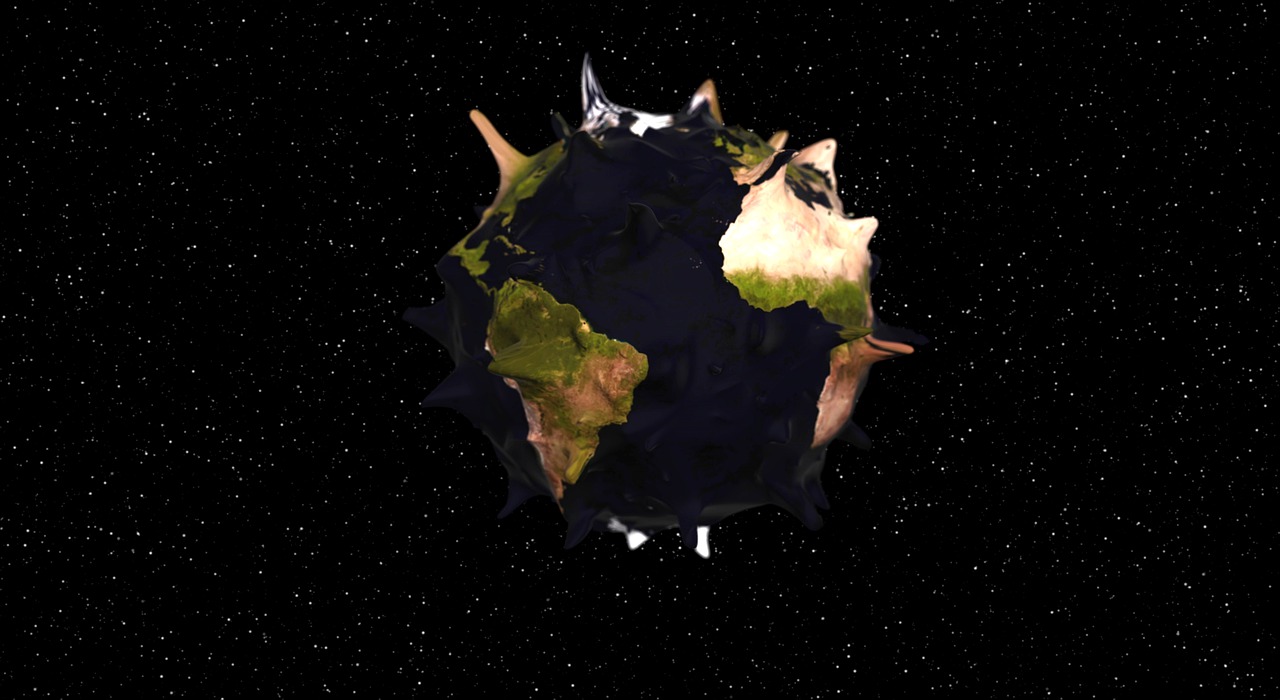
Public Brainstorm: Human Overpopulation
December 6, 2012 will be the 10 Years Anniversary event of the Club of Amsterdam.

Public Brainstorm: Food and Water
December 6, 2012 will be the 10 Years Anniversary event of the Club of Amsterdam.
Public Brainstorm
December 6, 2012 will be the 10 Years Anniversary event of the Club of Amsterdam.
Public Brainstorm: Energy
December 6, 2012 will be the 10 Years Anniversary event of the Club of Amsterdam.
10 Years Anniversary
Content Program Tickets Supporters Bios Location Ressources Contact 10 Years Club of Amsterdam Thursday, December 6, start 18:30 …Location: India House Amsterdam, Spuistraat 239, 1012 VP AmsterdamTickets: Euro 10 (Students), Euro 20 (Members etc.) or Euro 30. It includes drinks and snacks Tickets The conference language is English. This event is supported by India House Amsterdam Results and Impressions VideosPresentationPublic BrainstormArticles, Contributions & ReportsPhotos Videos Hardy F. Schloer: 10-step program for a sick planet . Socratic Dialogue Socratic Dialogue guided by Humberto Schwab, Philosopher, Owner, Humberto Schwab Filosofia SL, Director, Club of Amsterdamand the panelHuib Wursten, Senior Partner, ITIM International / Andrei Kotov, Business Planning Manager, Projects & Technology , Shell Upstream International / Jeanine van de Wiel, Group Leader Global Regulatory Affairs, DSM Food Specialties / Oebele Bruinsma, Founder & Partner, Synmind bv / Arjen Kamphuis, Futurist, Co-founder, CTO, Gendo / Hardy F. Schloer, Owner, Schloer Consulting Group – SCG, Advisory Board of the Club of Amsterdam Video: Winston Nanlohy PresentationHardy F. Schloer, Owner, Schloer Consulting Group – SCG, Advisory Board of the Club of Amsterdam 10-step program for a sick planet Public Brainstormwww.clubofamsterdam.com/event.asp?contentid=869 Articles, Contributions & Reports Club of Amsterdam Journal, October 2012, Issue 151 Club of Amsterdam Journal, November 2012, Issue 152 Club of Amsterdam blog – http://clubofamsterdam.blogspot.com Schloer Consulting Group: SCG Global Trend Report (Version December 2012) is free. You can order it by clicking here or by sending an email to info@schloerconsulting.com Photos We are going to promote and discuss ideas, statements, observations and solutions for five areas that are considered key challenges by Schloer Consulting Group. The main characteristics are exponential growth – the primary cause for critical societal and economic crisis. Five Key Challenges: Economic-Demographic Crisis, Energy, Environment, Food/Water and Overpopulation Before the event:You are invited to contribute to our Public Brainstorm!Topic: Global challenges with exponential growth Club of Amsterdam bloghttp://clubofamsterdam.blogspot.com Public Brainstorm: Economic-Demographic CrisisPublic Brainstorm: EnergyPublic Brainstorm: EnvironmentPublic Brainstorm:Food and WaterPublic Brainstorm: Human Overpopulation During this evening:Part IOne Minute before 12: Understanding The Global ModelHuman civilisation has reached the most critical watershed period in its entire history so far. We refer to this period, 2010 – 2050, as the Consequence Era. It is the era where we must deal with the consequences of unresolved inter-society relations, misguided technological development, hyper-militarization of the world, and a dangerous neglect, to manage environment and vital resources in a long-term perspective. Given, that money and monetary instruments have become an artificial resource, especially in the past 300 years, this consequence also includes the results of our ill-designed global monetary system. Money all by itself, and how it is implemented into society, has created a severe scarcity that actually prevents nearly all natural problems to be solved, but promotes global conflict in a near fully globalized world. It is therefore especially important to look at the economic conditions and transitions, in order to understand the prospect to solve any other hard problems in the future, arising from the management of resources and production of vital supplies. The study model was built by Schloer Consulting Group – SCG in about 4 years of extensive research, extracted from 10,000s of pages of published research materials, real-time data sources, and 100s of terabytes of global legacy computer data, provided by governments, global organizations (UN, World-Bank, IMF, etc.) and various free data sources provided through universities in the US, UK and Germany. Part II & IIISocratic DialogueThe Socratic Dialogue is an approach that focus on the question: what is the right question to start with? It is a philosophical method in the sense that all assumptions we take for granted, can be questioned and investigated. Unlike most discussions we do not debate, we try to listen to one another. It means that in any approach, if we listen well, there can be some important hint for fruitful approaches. To get our minds out of coagulated, fixed lanes we need connection with other minds. Socratic Dialogue is the strongest tool to boost real collaborative thinking and to twist our cultural assumptions into new common moulded perspectives. It is a method that avoids abstract ways of thinking; generalized abstract reasoning could probably be considered as an intellectual phallacy (John Dewey). Socratic Dialogue starts from concrete person based experiences, where values, emotions and ideas are all considered important. Every person embodies the cultural values and assumptions – this is why a personal experience can deliver general importance. We will maybe just formulate the right question, but anyway we will experience how it is to think as communities. Humberto Schwab uses this method to create new strategies for business, for innovative processes and for general think tanks. Part IVEntertainment, Indian Dance, Salsa-DJ, mingle, drinks & food 18:30 – 19:00Reception & Welcome Drinks19:00 – 19:15Introduction by our Moderator Kwela Sabine Hermanns, Core Faculty & Curator at THNK Official Welcome Felix B Bopp, Founder & Chairman, Club of Amsterdam Raj Jagbandhan, India House Amsterdam Peter van Gorsel, Director at House of Denim, Member of the Advisory Board of the Club of AmsterdamDesign & Exhibition Stefan Lehner, Recycling Designer, En-Fer Jelena Popadic, Humanist, artist, designer, lecturer and visionary Job Romijn, bedenker, brainstormer, problem solver, artist. Club of Amsterdam Round Table. Robert Shepherd, Founder, Eduverse Maartje van Buuren, ArtistSalsa-DJ Mario RoelvinckIndian Dance Vyjayanthi IyerPress Aleksandra Parcinska, Club of Amsterdam Round Table. John Grüter, Owner, Digital Knowledge. Club of Amsterdam Round Table.Audio Andreas van Engelen, Theatre of Eternal ValuesRegistration Maartje van Buuren, ArtistMirjam van RijnVIP contact Jan Sall, Director, Club of AmsterdamVideoWinston Nanlohy19:15 – 19:45Part I: About global challenges with exponential growthThis evening we are going to promote and discuss ideas, statements, observations and solutions for five areas that are considered key challenges by Schloer Consulting Group. The main characteristics are exponential changes – the primary cause for critical societal and economic crisis. Hardy F. Schloer, Owner, Schloer Consulting Group – SCG, Advisory Board of the Club of AmsterdamOne Minute before 12: Understanding The Global Model19:45 – 20:10Coffee break with drinks and snacks. 20:10 – 20:50Part II: Socratic Dialogue – PanelYour are invited to share your thoughts, we also invited one expert per topic and will also present feedback, ideas and solutions that we gathered through social media, the Club of Amsterdam Journal and the Public Brainstorm.Socratic Dialogue by Humberto Schwab, Philosopher, Owner, Humberto Schwab Filosofia SL, Director, Club of Amsterdam and the panelEconomic-Demographic Crisis Huib Wursten, Senior Partner, ITIM InternationalEnergy Andrei Kotov, Commercial Adviser Global LNG, Shell Upstream InternationalFood Jeanine van de Wiel, Group Leader Global Regulatory Affairs, DSM Food SpecialtiesWater Oebele Bruinsma, Founder & Partner, Synmind bv (Water expert)Overpopulation Arjen Kamphuis, Futurist, Co-founder, CTO, Gendoand Hardy F. Schloer, Owner, Schloer Consulting Group – SCG, Advisory Board of the Club of Amsterdam20:50 – 21:30Part III: Public Socratic DialogueWe are conducting a Socratic Dialogue with everybody attending. Your are invited to share your thoughts. This session will produce concrete results – ideas and solutions … the findings will be made publicly available.Socratic Dialogue guided by Humberto Schwab, Philosopher, Owner, Humberto Schwab Filosofia SL, Director, Club of Amsterdam Kwela Sabine Hermanns, Core Faculty & Curator at THNK21:30 till late …Part IV: Entertainment, Indian Dance, Salsa-DJ, mingle, drinks & foodDrinks, buffets, music, exhibition etc Tickets for this Season Event are….Regular Ticket: € 30,-….Discount Ticket: € 20,- [*]….Student Ticket: € 10,-As a non-for-profit foundation we don’t charge VAT.[*] seehttps://clubofamsterdam.com/the-tickets-corner/… and get your Season Pass 2012/2013 atValid for the 7 Season Events 2012/2013 including our Anniversary eveningSeason Pass 2012/2013 for 1 person: Euro 90,-Season Pass 2012/2013 for 2 persons: Euro 160,-How to pay for the tickets? ….a) Online booking with credit card: Ticket Cornerb) By bank: send an email with your details, number of tickets, type of ticket and event name to: ticketcorner@clubofamsterdam.comBank: ABN AMRO Bank, Club of Amsterdam, Account 976399393, Amstelveen,The Netherlands, IBAN NL52ABNA0976399393, BIC ABNANL2A c) By invoice: send an email with your billing details, number of tickets, type of tickets and event name to: ticketcorner@clubofamsterdam.com d) At the registration desk the evening of the event – unless we are sold out earlier: 18:30-19:00 India House Amsterdam India House Foundation is a cultural non-profit organisation; an initiative from philanthropist Rajkumar Jagbandhan. India House is an Indian culture centre situated in the capital of the Netherlands, Amsterdam. The centre has a museum, food court, meeting rooms, and much more.www.indiahouse.org Felix B Boppfounder & chairman, Club of Amsterdam Felix is founder and chairman of the Club of Amsterdam, an independent, international think-tank that organises regular high-level discussions on preferred futures. It involves those who are not just talking about the future – but those who are active participants in shaping the outcome. www.clubofamsterdam.com provides rich resources about more than 100 topics from nanotechnology to philosophy. He has an excellent reputation for putting together high-quality and high-visibility events – locally and internationally. He organised more than 450 events, conferences and festivals. Felix has been a voice promoting streaming media since its early days in the mid 90s. He made himself a name as a high-profile trend watcher on a global scale with a close eye on information and communication technologies [ICT] and the music & entertainment industry. His wide scope of interests leads him to develop a range of outstanding products in multimedia & publishing. His roots are in music and the music industry. He is an accomplished composer of theatre, ballet and film music and also had a successful career as a performer. Oebele BruinsmaFounder & Partner, Synmind bv Oebele Bruinsma has a background in behavioural biology. He has worked both in public, including science, and private organisations. As an international consultant he is involved in industrial innovation and the driving processes of decision making underlying it. He draws his inspiration both from nature and music which he considers both as ultimate expressions of knowledge management. He lives in the Netherlands. John GrüterOwner, Digital KnowledgeClub of Amsterdam Round Table Business Architect, Knowledge Management Specialist, Business Developer, Systems Thinker, IT Generalist & Change Agent Digital technology is rapidly transforming our society, our business practices and lives. Technology is a driver, but not the real issue. Adoption by individuals, companies and governments is far more important. But how can we manage the technology, the adoption process and the effect on our businesses and private lives, without getting lost in that change? SpecialtiesBusiness Architecture; Knowledge Management; Process and Services Innovation; New Business Development; Product Managementwww.digital-knowledge.com Kwela Sabine HermannsCore Faculty & Curator at THNK Kwela is a highly focussed, process-oriented entrepreneur and innovation specialist with many years of business experience in education, research, training and project management in the creative industries. She is bi-lingual in English and German, owns a Masters degree in New Media Studies and trained in small business innovation at Copenhagen Business School. She coaches and trains people and organisations in goal implementation and dynamic change management techniques. ”My own goal is to support inter-disciplinary innovation towards value based and surprising sustainable futures. I combine a highly analytical and strategic mind with a passion for team work, people and relationship buidling.”www.portaltoyourdreams.com Vyjayanthi Iyer I am Vyjayanthi Iyer, a model, actress, dancer and choreographer from Mumbai, India. I have been a resident of Amsterdam for 6 years, and enjoyed every bit of the multicultural, vibrant, free-spirited life it offers. I have also worked as a customer relationship professional for over 10 years and experienced rich interactions with people from different cultures and countries. I started Bollywood dancing lessons in Amsterdam for a small group of people I knew, as an experiment to stay in touch with my artistic side, to move out of my comfort zone, to learn and grow further as an individual. In the last 2 years, my passion for dance has expanded into conducting workshops for groups and companies, fitness classes and for special occasions like bachelor parties. Bollywood dancing is lively, it is fun, exciting and the one thing I have never failed to notice is the smile it brings to the faces of people who participate in my workshops. I look forward to taking this endeavour further to exchanging knowledge about Indian culture and take Bollywood dance moves to more people in the Netherlands and beyond.www.navras.eu Raj JagbandhanIndia House Amsterdam www.indiahouse.org Arjen KamphuisFuturist, Co-founder, CTO, Gendo Arjen is co-founder and Chief Technology Officer of Gendo. He studied Science & Policy at Utrecht University and worked for IBM and Twynstra Gudde as IT-architect, trainer and IT-strategy advisor. Since late 2001 Arjen has been self-employed, advising clients on the strategic impact of new technological developments. He is a certified EDP auditor and information security specialist. As a much sought-after international speaker on technology policy issues he gives over 100 keynote talks every year. Since 2002 he has been involved in formulating public IT-policy in the area of open standards and opensource for the government and public sector. Arjen advises senior managers and administrators of companies and public institutions, members of parliament and the Dutch Cabinet about the opportunities offered by open standards and opensource software for the European knowledge economy and society as a whole. Besides information technology Arjen also works on scenarioplanning and strategic assesments of emerging technologies sush as bio- and nanotechnology. With clients he investigates the social, economic and geo-political impact of science and technology.Arjen’s collumns and article’s can be found on his Gendo blog.Dutch: www.gendo.nl/blog/arjenEnglish: www.gendo.ch/en/blog/arjen Andrei KotovCommercial Adviser Global LNG, Shell Upstream International Andrei Kotov is the Commercial Advisor with Shell’s Global LNG Business, prior to which he was a Business Development Advisor CO2 Shell’s Carbon Capture and Storage Team.Andrei holds a Master’s of Science in Economics degree from the University of St. Gallen (Switzerland, with an exchange semester at the University of Chicago’s Booth School of Business) and an MBA. He subsequently joined Shell Global Solutions International as a Contracts Advisor. Andrei’s career, both prior to joining Shell and within the Shell Group, has comprised a variety of postings ranging from mainly operational to purely commercial across energy industry’s entire value chain. In addition to his experience in the business domain, Andrei is a regular contributor to major business dailies, including Financial Times and International Herald Tribune (the international edition of the New York Times) with commentary topics addressing a broad array of issues of global concern.www.shell.com Stefan Lehner Recycling Designer, En-Fer Stefan Lehner (1957) studied Philosophy and Mathematics in Fribourg, Switzerland.During these studies, he started to develop chairs and tables based on a 4-dimensional mathematical structure – hypercube – and won a first prize in an Art and Design contest in Switzerland in 1986. Fascinated by industrial scrap objects, he constructed beds, chairs, benches and lamps under the theme of “Object and Function Recycling”. First prize for a long chair made out of transport chains at Plum’art. Another approach was made through a publicity project for Chesterfield. Collecting old cans, he produced 1000 Recycling ashtrays for trendy locations. These ashtrays were conceived to be stolen. For Interior projects, he worked with car seats from Porsche and with airplane benches. Later followed the development of lamps, vases and racks by giving a second life to defect lamp bulbs and used shoeboxes. Inspired by “Street Design” in Brazil, he is also working with PET bottles and drink packaging. He started a collection of amazing recycling objects from all over the world.He aims to combine ecological claims, reuse of former functions, comfort and fashion. His atelier and showroom are now in Utrecht. www.en-fer.com Aleksandra Parcinska Club of Amsterdam Round Table Passionate about people and different cultures Aleks enjoys an international life style. Originally from Poland, she lived in France, Austria, and England before moving to the Netherlands and the multilingual city of Amsterdam. After a few years of working as a management consultant, Aleks moved into the cultural sector. Aleks worked with the Dutch Polish Foundation in Amsterdam and recently completed a job as a project manager for the research project on multilingualism in Europe, “Language Rich Europe” in the British Council Netherlands. She speaks several languages and contributed to the Language Rich Europe blog in eight languages. Jelena PopadicHumanist, artist, designer, lecturer and visionary Born in Yugoslavia, growing up in Australia and living in the Netherlands, I am now working internationally in the fields of Art, Culture, Education and Entertainment. At the early age I was active as a writer and performer. After gymnasium and civil engineering I studied free Arts at the Gerrit Rietveld Academy in Amsterdam and specialised in the Glass as medium in Art and Design. In the Netherland I designed in the past for Royal Leerdam Crystal, the national glass museum in Leerdam. In my work I often combine various disciplines and materials & techniques. Glass, painting, mix media projects, theater, opera productions, experimental photography and film projects. My work stands for innovation, collaboration projects, evolvement of Art itself. Apart from creating and teaching Arts I collaborate with people and organisations interested in Art expressions as a healing method; benefits of Art in the education systems and society in general. Art is playing an important role in communication and stimulates positive progression of the human evolution. www.bno.nl/profiel/1535/jelena- Glass Museum Leerdam Collaboration-Art projects (poetry, dance, film, glass) . Mario RoelvinckSalsa-DJ http://home.kpn.nl/kru-pak/index.html Job Romijnbedenker, brainstormer, problem solver, artistClub of Amsterdam Round TableJob Romijn is an innovative mind with an eye for improvement. Not caring too much about a career or money he leads an interestingly unconventional life. He helps others with ideas and observations.Job Romijn is an unconventional innovator with a steep learning curve. This leads him to interesting observations and results in loads of ideas. He uses his abilities in brainstorming, testing and improving, with a current focus on websites.Job Romijn is Job Romijn.Job Romijn is quite a nice guy, albeit with some issues. Instead of solving his issues, he tries to use them and adapts his life accordingly.His current business is testing the user experience and usability of websites.He is a generalist with a broad education: a masters degree in high voltage engineering, conceptual art and applied creativity.After brain activity he finds relaxation underwater in freediving. www.bedenker.com Jan SallDirector, Club of AmsterdamJan Sall is a communication and advertising expert, consultant with a long experience in initiating and organization events on corporate and consumer level. Successfully realized projects for TNT, LU-Biscuits etc. Hardy F. Schloer Owner, Schloer Consulting Group – SCG Advisory Board of the Club of AmsterdamHardy F. Schloer is a strong team builder, entrepreneur, accomplished scientist and visionary theoretical thinker with extensive people and public relation skills.For three decades now Schloer has built successful global technology solutions and practical problem-solving infrastructures for clients and partners in the Americas, Europe and Asia. Schloer has extensive hands-on experience in the design and the conceptualization of successful solutions and complex technology architectures on global scale. His strong ability to view problems through their complex layers of context has enabled him to become a highly effective analyst and ‘out-of-the-box’ thinking problem solver.Schloer is founder and former CEO of RavenPack AG in Germany and RavenPack International in Spain, a world leader in computational linguistics and real-time financial applications. Schloer is also the inventor of numerous Information and Communication Technology patents and of the Quantum Relation Theory, a breakthrough concept in Artificial Intelligence. The Quantum Relation Theory has been academically reviewed and discussed.In 2001 Schloer received the award of “One of 25 Best Technologies of the Future” from NetInvestor in Germany for the invention of his Quantum Relation-based technology platform, ‘RavenSpace’.Schloer made also important intellectual contributions to the field of healthcare with his groundbreaking concept ‘AlphaMedic’, a global approach to modern healthcare that envisions globally standardized, centralized and AI managed patients record keeping, combined with computer assisted real-time medical diagnostics and automated clinical trials in a global 24/7 processing approach. Schloer’s AlphaMedic concept to healthcare problems has received a European Grant and has been published and discussed in the press and online healthcare publicationsSchloer has developed a strong transdisciplinary and intercultural approach to problem-solving consultancy that is now leading in its field. He is an internationally acclaimed speaker and is frequently invited to international conferences, public discussion panels and other global Think Tank events. http://schloerconsulting.com Humberto SchwabPhilosopherOwner, Humberto Schwab Filosofia SLDirector, Club of AmsterdamHumberto Schwab studied physics and philosophy in the Netherlands. He lives and works in Spain (in the surrealistic Alt Emporda) and in the Netherlands.As a practical philosopher he uses Socratic tools to execute deep dive transformations of business, by strong collaborative thinking processes, dialogs think tanks and design-labs. New strategies which includes new services, applications and products can be the result, starting from a new generating idea.He organized think tanks for business (Electrabel, Rabobank) government (municipality of Paris) and education (Rietveld art academy, Stockholm school of economics); always bringing to light hidden knowledge and intelligence from within the organisation. www.humbertoschwab.net Robert ShepherdFounder, EduverseRobert Shepherd is a graduate from the University of Toronto and the Ontario College of Art. He has been working with electronic media since 1978. His goal is to create more intuitive integration between abstract/synthetic worlds and the real world. In Feb 2008 he established The Eduverse Foundation to further his goals of promoting virtual environments for educational purposes. The Eduverse has had 3 symposia, initiated the “emocracy” project and the MEP (which looks to use SimCity as a mobile phone based educational platform), presented at the ibc, AR+RFID (The Hague), IDIAP and the Waag Society, acted as virtual educational consultant to surfnet and kennisnet, been involved with TEDxAmsterdam, The AMI consortium, FITC Amsterdam, Picnic, FiFi, Cinekid, Appsterdam , ESUG and the Club of Amsterdam. Robert has also taught virtual world strategies to educators from various universities in The Netherlands as well as setting up the University of Maastricht virtual design sim. His client list includes The ING Bank, IBM, NASA and Microsoft. At present he is working on developing an educational game event for Amsterdam and a project (together with STIMED) entitled The Visual Sound System (VSS) to help teach children to read and play music more intuitively. www.eduverse.org Maartje van BuurenArtistMaartje van Buuren holds a Bachelor of Fine Art and Design in Education and graduated with honours in Fine Art. Her graduation project with mold landscapes and furniture was nominated for the Piet Bakker award. Maartje has worked as a creative therapist and as a teacher. She has also contributed to several industrial design projects and works as a freelance graphical designer. Maartje uses images, poetry, sounds and sculptures in her work to portray her continous search for tension.“My work is about attraction and repulsion. Contradictory thought and behaviour. A battle between extremes, tension, how something unpleasant can also be beautiful at the same time. It’s my window into a world and mind, full of contradiction. Jeanine van de WielGroup Leader Global Regulatory Affairs, DSM Food SpecialtiesJeanine van de Wiel (1960) contributed to such different parts of society as media, science, government and industry. She started her career during her MSc Biology as a free lance journalist in scientific popular magazines like Technovisie. During her PhD research project in Toxicology she designed and executed a new course for Health Sciences students at Radboud University Nijmegen. Her first governmental advisory role focused on science based exposure limits of persistent environmental contaminants. Her second job at the Health Council of the Netherlands had an additional international diplomatic dimension through participation in EU and OECD task forces on the safety of novel foods like the genetically modified soy and corn that was imported to Europe at that time. Also the first novel functional foods emerged like restructured fats and carbohydrates. This raised her interest for the promising contribution of functional food products to public health and she joined the DSM Nutrition Cluster in 2004. Now she is managing the group responsible for the global compliance regarding safety and efficacy of functional food ingredients, processing aids, additives and biocontrol agents needed to improve food security. www.dsm.com Andreas van Engelen Theatre of Eternal Values High end recording and publishing, Composer of theatrical and corporate Sonic Identities, Soundscapism and Hymnic music works. Audiowerk, Artist development and promotion, MI industry patching, VI builders. In-house composer and editor at Theatre of Eternal Values, outboard networker for Gary Garritan and Inspired Acoustics. Free-lance review writer for music technology products. Peter C. van Gorsel Director at House of Denim, Member of the Advisory Board of the Club of Amsterdam Peter Charles van Gorsel was born on 23rd September 1948 in Rotterdam. He has lived in Amsterdam for the last 30 years. He spent part of his youth in Africa and has lived in Utrecht, Leiden and London. He is a fluent speaker and writer in English and German with a passive knowledge of French. His education is varied to say the least, running form a Dutch High School, Graphic Design and Art school via the Publishing School and Stanford Master of Publishing. He has a degree in marketing and communication. He thinks of himself as always curious, an independent thinker, driven and a goal orientated strategist and a team player; communicative and innovative with a broad orientation in media, IT, arts and urban development; interested in issues dealing with talent development and leadership. After resigning from his post as Dean of the Faculty of Media, Creation and Information at the University of Applied Science of Amsterdam in 2012 he went on as an independent consultant and adviser. Before he became a dean he has worked in national and international publishing in various positions: sales, marketing, publishing and business development. He has been on the board of several organisations and is at present on the board of the Dutch Public Broadcasting AVRO.For network go to: www.linkedin.com Huib Wursten Senior Partner, ITIM InternationalHuib is experienced in translating international and global strategies and policies into practical consequences for management. He has been working in this field since 1989 with a variety of Fortune 1000 companies, with public and private organisations in 85 countries on all continents. His main clients in the business sector are IBM, 3M, Vodafone, McCain, Quest, Texaco, ABN AMRO, Nike, and Unilever. Non-profit clients include the IMF, the European Central Bank, the World Bank, the UN Development Programme, the Council of Europe, and the Dutch peacekeeping forces. www.itim.org India House AmsterdamSpuistraat 2391012 VP Amsterdam Public Transport From Amsterdam Centraal Station: Take a tram direction Dam 1 stop to Dam Walk from Dam to Spuistraat 239 By Car India House Amsterdam is in walking distance from the Dam.There are several parking houses available:Parking De Kolk, Nieuwezijds Kolk 18, 1012 PV AmsterdamParking De Bijenkorf, Beursplein 15, 1012 JW AmsterdamP1, Parking Amsterdam Centre (Centraal Station) Prins Hendrikkade 20a, 1012 TL Amsterdam Related to this topic see also Club of Amsterdam Journal and for more events Agenda
Public Brainstorm: Economic-Demographic Crisis
We are going to promote and discuss ideas, statements, observations and solutions for five areas that are considered key challenges by Schloer Consulting Group.